

The Magic Behind Mushroom Growth
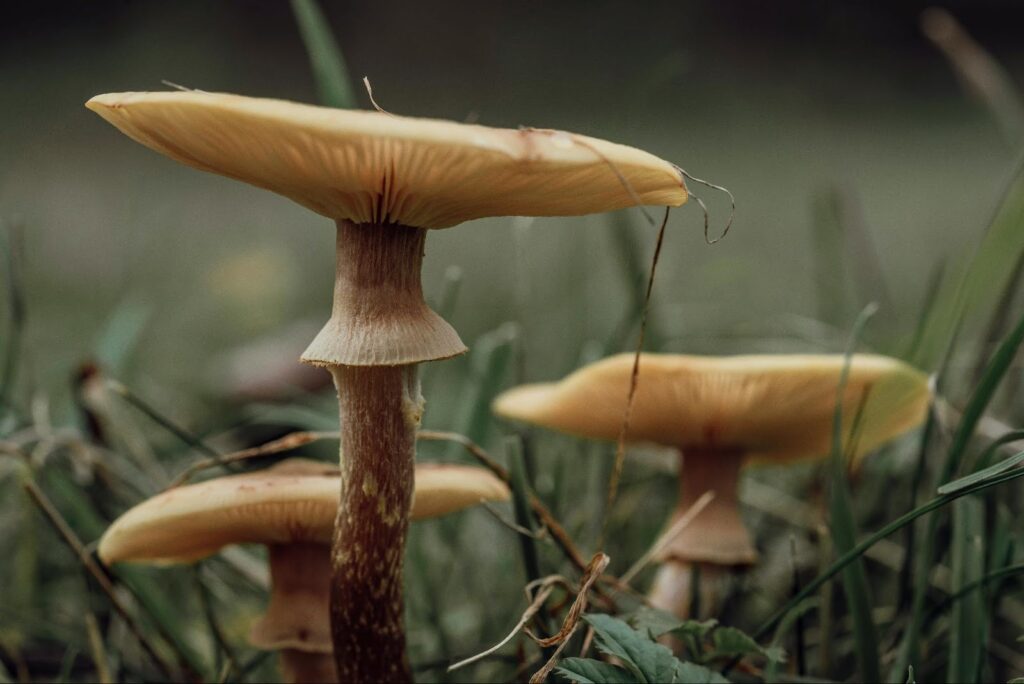
Mushrooms are the ultimate Houdini of the fungi world. They pop up mysteriously overnight, casting their spell across forest floors, lawns, and sometimes even a soggy basement corner. But what really goes on beneath the surface, quite literally, when these fungal wizards work their magic? Hang on to your mushroom caps as we unravel this delightful enigma.
The Underworld Lab
Imagine if Harry Potter quit Hogwarts and decided to farm mushrooms in the Forbidden Forest. The secret ingredient? Mycelium. It’s like nature’s own Wi-Fi network made of tiny threads called hyphae that connect the entire ecosystem beneath your feet. This fungal fabric is how mushrooms grow, spread nutrients, and communicate.
Mycelium winds its way through soil and decaying plant matter, breaking it all down into a nutrient buffet for other organisms. Ironically, it’s the quiet teamwork underground that creates the flashy fruiting fungus above. No underground lab? No mushroom magic.
Fungi’s lifecycle down in the deep can be compared to an elaborate waltz, joining forces with tree roots forming mycorrhizae, a symbiotic alliance as old as time. The tree provides sugars, while fungi offer up hard-to-access minerals, creating a balanced community where both thrive. It’s an ancient pact of give and take, a partnership evolving in tandem with nature’s rhythm.
Mushroom Nights
Sneaky, right? One moment, there’s nothing, and next, you stumble upon an entire fairy kingdom. Mushrooms can appear overnight, leaving you scratching your head. How? By leveraging nature’s ultimate quick-change artistry. When mycelium gets ample nutrients and moisture, it fast-tracks into growth mode.
The sidekick here? Weather. With a pinch of rain and a shot of warmth, the conditions become an ideal spa day for fungi. Once dialed in, mushrooms can grow in mere hours, making them the marathon sprinters of the plant world.
Curiously, the duration of their presence is as ephemeral as the moon’s glow. Some mushrooms, once surfaced, possess the fleeting lifespan of mere hours before succumbing back to the soil from whence they originated. Others persist for weeks, yet beneath this veil of mystery lies a purpose, connecting past and future through nature’s timeless cycle.
Mushrooms’ swift growth and evolution are often the subject of scientific inquiry and research. To delve into the mysterious world of mushroom spores for educational purposes, resources like penis envy mushroom spores can be a pathway to greater understanding. These spores provide valuable insights into the fungal life cycle.
Funky Fruiting
So, you’ve got a garden of mushrooms that suddenly sprouted like mad. They’re on a mission. Most mushrooms serve one critical purpose: spreading spores. Picture them as forest firefighters dousing the woods in spores, ensuring growth continuity.
These spores are the seeds needed to breed the next generation of fungi. When conditions are prime, the cap heightens and bursts, dispersing countless spores like pixelated cannonballs. Bravo, fungi. Nature’s stealthy squad spreads the spore gospel.
This endeavor of multiplicity doesn’t just cover the land; it becomes a part of the air itself. Spores drift invisibly, embedding their legacy into far reaches, paving the way for a new chapter in the fungal playbook. It’s an unseen dance that shapes entire ecosystems, a quiet testament to life’s resilient promise in every spore’s journey.
The Edge of Edibility
We gobble up mushrooms. From veiled gourmet dishes to the humble pizza topping, this fungus has become our culinary darling. But fret not, fungi aficionados, the wild world is crawling with colorful relatives, and they aren’t all safe to snack on.
There’s a fine culinary line separating edible from poisonous. Nature’s mushroom varieties resemble double agents, with some mushrooms suavely shuffling between delicious and deadly. Always trust the experts—whether you’re foraging or fancying fungi in your salad.
Their culinary allure possesses roots interwoven deeply with historical practices. Documented across ancient texts, mushrooms have been revered, feared, and manipulated by various cultures worldwide. Their reputation varies as dramatically as their flavors, a constant reminder of nature’s dual nature—enticing yet unpredictable, nourishing yet hazardous.
The Mushroom Renaissance
Mushrooms are in vogue, and it’s no laughing matter. They’re popping up in talk about sustainable agriculture, bio-remediation, and even packaging alternatives. Fungi inspire tech geeks, environmentalists, and culinary creatives equally.
Hence, the magic of mushrooms doesn’t end at dinner. With their natural ability to break down toxins and create thriving ecosystems, these fungi maestros hold potential far beyond our endless love for risottos and stir-frys.
In Summary
Mushrooms may be nature’s Houdini, but now you’re wearing the monocle of understanding. From mycelium’s underground origins to their effortless mushroom cloud display, they blend science and alchemy in perfect harmony.
Next time you spot a mushroom, tip your hat to this unsung magician. But leave the foraging to certified gatherers unless you fancy an unscheduled visit to the doctor. In the fungi realm, mystery and magic reign supreme.
25 Comments